
562-445-4210

Commercial locksmith in Pico Rivera, CA

LockReach can discuss commercial locksmith work in Pico Rivera for storefront locks, key changes and business doors that fail to latch or secure properly.

Call 562-445-4210
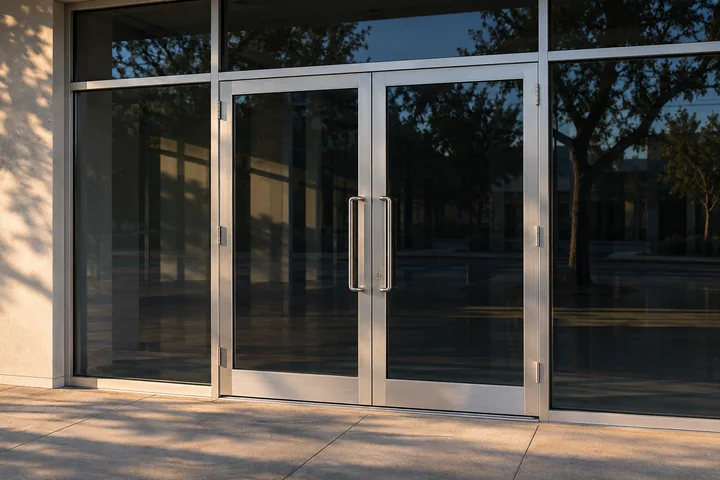
Illustrative photo of metal and glass storefront doors

Identify the entrance and the business problem

For a commercial locksmith in Pico Rivera, tell LockReach which entrance needs attention and what the business must be able to do after the visit. A shop that cannot lock at closing has a different priority from an office rekeying after a staff change. If the door is the only entrance staff or customers can use, say so when you call. That changes how you may want to coordinate access and timing.

Along Whittier Boulevard, a business may have a public glass entrance, an employee door and a delivery entrance facing a side lot. On a property along Washington Boulevard, the street address may identify a row of units rather than a particular door. Give the suite number and the entrance where the technician should meet someone. Let us know which person on site has authority to approve work and whether the property manager must be involved.

The lock is one part of a working door

A key operates the lock cylinder. The latch holds the door shut when it meets the strike, the piece it engages in the frame. A closer brings the door toward its closing position. Hinge or pivot wear can affect how those parts line up. A door may have more than one issue, particularly if it has been dragging or feeling loose for a while.

Describe the last stage of a normal close. Does the door stop short of the frame, close hard, bounce back or settle fully without latching? Does the key move normally with the door open? If people have been leaning on the handle to get the latch to catch, mention it. These observations help the technician consider the opening as a whole before suggesting a part.

Some storefronts have slim aluminum frames that accept specific hardware. Older steel, wood and glass openings can present different fit questions. If the building has a service record, collect the last repair note and the model or manufacturer information you have. A photo of the opening and latch area can help if it can be taken from an ordinary standing position. Let the technician know if you need to keep existing trim or coordinate a particular finish with a property manager.

Plan a rekey around roles and handoffs

Begin with a small list of who needs which entrances. Someone who receives deliveries may need the rear door and stockroom. A supervisor may need both the office and the main entrance. If a contractor only needs temporary access, discuss how to arrange that without relying on a permanent spare that is easy to forget. Include anyone who opens early, closes late or covers a shift across locations.

Rekeying changes which keys work in compatible cylinders. It can make sense after a change in tenancy, a lost key or an unexpected gap in key records. If the hardware is worn or the door is hard to use, the key change is an opportunity to ask about those problems separately. When there are shared entrances, get the building owner's approval before discussing changes to a cylinder that other occupants use.

A master-key system can let authorized people open several doors while individual staff keys work on a smaller group of doors. The useful conversation is about responsibilities, records and how you would handle a future lost key. Ask what access would be affected if a higher-level key were lost. For a small operation with a few openings, clear ownership of keys may matter more than adding complexity.

Keep a basic handoff record after the work. The manager taking over on Monday should know which entrances were changed and which keys were issued. If access needs to remain available to building staff, cleaning crews or a delivery team, arrange the handoff rather than discovering an access gap during the first shift.

Keep closing and exit functions in the conversation

A door that will not latch can affect closing procedures. A closer that slams or makes the door difficult to use can also affect the people moving through it during normal business. Tell the technician how often the entrance is used and whether its condition changes during the day. Explain if a second door leaf, floor-mounted part or overhead closer is involved.

If the opening has marked exit hardware, a fire label or an electronic access system, mention it early. Have the building's responsible person involved when the scope changes. Different parts may belong to separate systems or providers, especially when a card reader, a door controller and a mechanical latch all appear at one entrance. Identifying who manages each part can keep a mechanical service call from turning into an unplanned disruption.

Ask what function will be checked after work. For an everyday entrance, that can include normal operation from the outside and inside as well as how the latch engages when the door closes. For an opening connected to an access system, coordinate an authorized check with the person who manages it. Keep required exits available while the property makes arrangements for service.

Prepare for the visit with the people who use the door

  • Name the entrance, describe when the issue happens and identify where the technician should meet you.
  • Confirm who can authorize the work and which staff need ongoing access.
  • Ask for a scope that separates lock or key work from any additional door hardware work.

Shop owners and managers can ask what the quote includes before a decision is made. If the proposed work expands, ask what changed after inspection and which parts affect the original complaint. If you need to work around customers or deliveries, tell us the window you have and which entrances can be used during the visit.

For the immediate problem of getting an authorized person inside, use our emergency locksmith information. If the door operates normally and you are planning a future change, collect the current keys and the list of roles first. A clear inventory makes a conversation about commercial rekeying much more concrete.

Make the result clear for the next shift

Keep a record of which opening was worked on, what keys or parts changed and how people should use the door. Bring the opening and closing staff into the handoff if the procedure changes. Call LockReach about commercial locksmith service in Pico Rivera with the address, the type of opening and the business priority. If the property is across the city line, use the service area list and confirm the specific address on the call.

Talk through your lock or key problem

See our service areas and call to confirm your location.

562-445-4210